
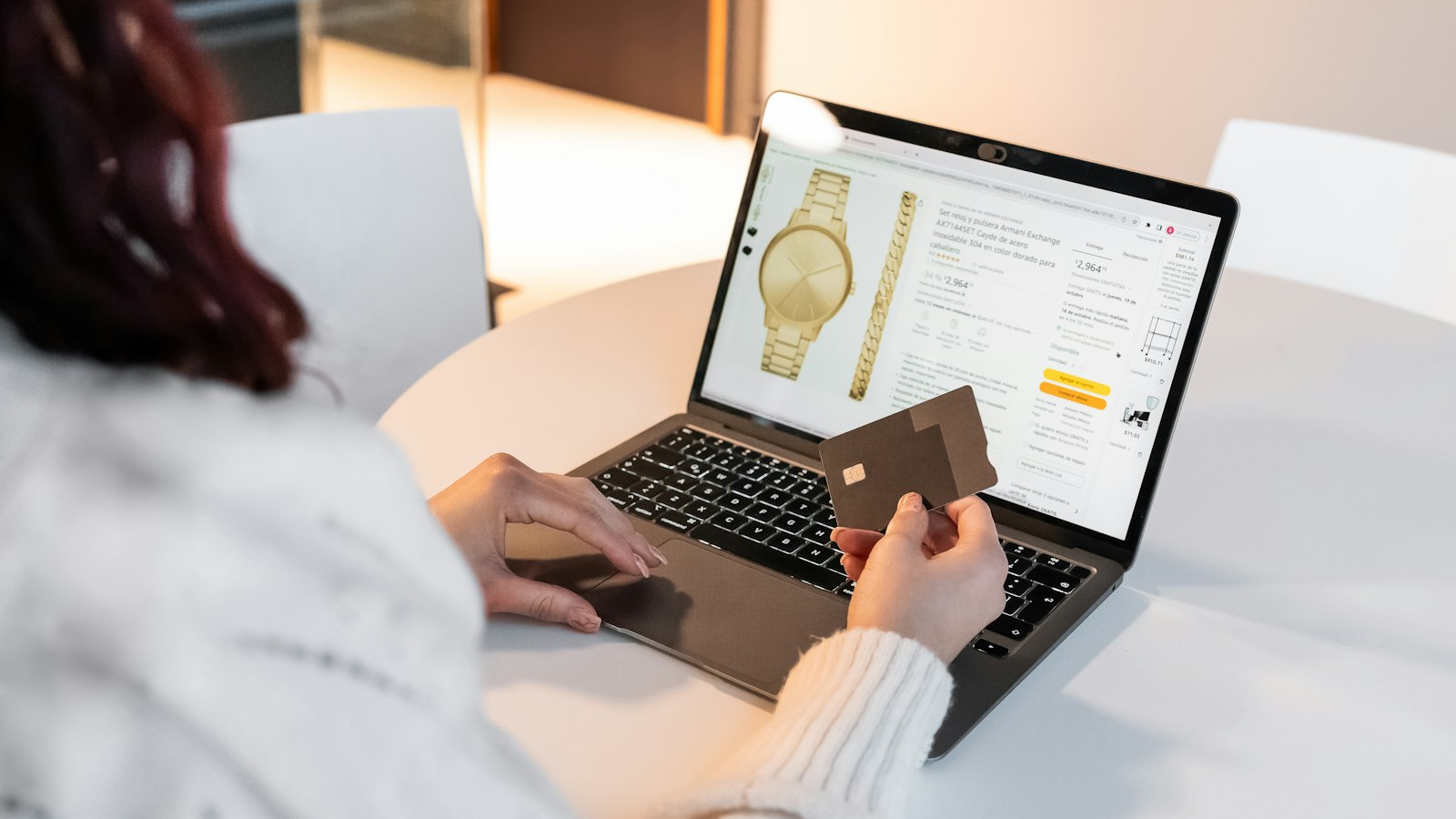
E-commerce web design in Dubai that converts makes buying feel fast, safe and clear, from the first product page to checkout. Most online shops in Dubai do not fail because the products are wrong. They fail because the store makes buying feel slow, risky or confusing. A shopper lands from Instagram, cannot find the delivery cost, is not sure the payment page is safe, and leaves. Good e-commerce web design in Dubai fixes those moments before they cost you sales.
This guide is for UAE and GCC retailers and SMEs planning a new shop or a rebuild. It covers what a converting store needs, how to build trust, how to handle payments and shipping, Arabic and English storefronts, mobile, SEO foundations and a launch checklist. If you want the wider picture first, see our web design service page.
What does good e-commerce web design in Dubai include?
A good shop is more than a nice theme with your logo on it. It comes down to decisions about how a customer gets from first visit to paid order. At minimum, a well designed store should include:
- Clear navigation and categories that match how your customers think, not how your warehouse is organised.
- Strong product pages with real photos, sizes or specs, stock status, delivery information and returns in plain view.
- Search that works, including for misspellings and, where relevant, Arabic terms.
- A short checkout with guest checkout, local payment options and no surprise costs at the last step.
- Trust signals such as a visible returns policy, contact details, a UAE address or trade licence reference where appropriate, and secure payment badges that are genuine.
- Fast loading on mobile data, not just on office Wi-Fi.
- Tracking set up properly so you can see where people drop off.
Budget matters here, because each of these takes design and development time. Costs depend on platform, product count, integrations and languages. Our guide to website cost in Dubai breaks down what drives the price. As a rough guide, Juka e-commerce websites start from AED 18,500, excluding 5% VAT. Final pricing depends on scope, competition, platforms, content requirements and integrations. Every engagement is confirmed through a written proposal before work begins.
How do you build trust with UAE online shoppers?
Trust does a lot of the selling. Shoppers in the UAE have plenty of choice, from big marketplaces to local Instagram sellers. If your store feels less certain than the alternatives, they will buy elsewhere.
Show the important details early
Delivery times, delivery fees, return windows and payment options should not be hidden in the footer. Put short versions on product pages and in the cart. A small line such as “Delivery across the UAE in 1 to 3 working days” answers a question before the customer has to ask.
Use real product content
Stock photos and copied manufacturer descriptions make a shop feel generic. Use your own photography where you can, show products in use, and write descriptions that answer practical questions: size, material, what is in the box, how to care for it.
Make contact easy
Many UAE customers prefer to ask a quick question before buying. A visible WhatsApp button, a phone number and a clear contact page help. Make sure someone actually replies, because a fast answer often closes the sale.
Handle reviews honestly
If you collect reviews, show them, including the less glowing ones. Never invent reviews or testimonials. Shoppers spot fake praise quickly, and it can damage your brand far more than having no reviews at all.
Which payment and shipping options do UAE shoppers expect?
Checkout is where you win or lose most sales. Every extra field, unexpected fee or unfamiliar payment screen gives the customer a reason to stop.
Offer the payment methods your customers expect
Card payments are the baseline. Depending on your audience, you may also need Apple Pay, Google Pay, buy now pay later options or cash on delivery. Choose a payment gateway that supports AED, works smoothly on mobile and keeps the customer on a page that looks like your brand. Which gateways and methods suit your shop depends on your business setup and products, so confirm this early with your provider.
Be upfront about delivery
Show delivery fees and estimated timings before checkout, ideally on the product page or cart. If you offer free delivery above a certain order value, say so clearly and show the customer how close they are. If you ship to other GCC countries, make it clear which ones and whether duties or extra fees apply.
Keep checkout short
- Allow guest checkout. Offer account creation after the order, not before.
- Ask only for the fields you need. UAE addresses often work better with area, building and landmark fields plus a map pin than with a Western-style postcode form.
- Validate phone numbers in a friendly way and accept the formats people actually type.
- Show a clear order summary with all costs before the final button.
Make returns simple to understand
Link a short, clear returns policy from product pages and checkout. It removes a big worry. Write it in plain language and make sure it matches what your team actually does.
Do you need an Arabic and English storefront?
For many UAE and GCC retailers, a bilingual store is worth serious thought. It is also one of the things shops most often get wrong.
- Translate properly. Machine translation alone tends to read awkwardly. Have a native Arabic writer review product names, navigation and checkout text.
- Design for right to left. An Arabic storefront is not just translated text. Layout, icons, arrows, sliders and form fields need to mirror correctly.
- Choose fonts that work in both scripts. Check that Arabic text stays readable at small sizes on mobile.
- Keep the language switch obvious and make it remember the customer’s choice.
- Set up separate URLs for each language with correct hreflang tags so search engines show the right version.
If you are not ready to translate the whole catalogue, start with navigation, key categories, checkout and policy pages, then expand. Whether Arabic makes sense at launch depends on your audience, so look at who your current customers are before deciding.
Mobile first, not mobile later
In the UAE, a large share of shopping journeys start on a phone, often from social media or messaging apps. Design the mobile experience first, then scale up to desktop.
- Keep buttons large enough to tap easily and place the add to cart button where thumbs can reach it.
- Use a sticky cart or buy button on long product pages.
- Compress images and avoid heavy sliders and pop-ups that slow the page or block content.
- Test on real devices on mobile data, not just in a desktop browser at a narrow width.
- Make filters and sorting easy to use with one hand.
A slow mobile page wastes every other design decision. Check speed with tools such as Google PageSpeed Insights and fix the biggest issues first, usually images, scripts and third party apps.
What SEO foundations does an online shop need?
Paid ads and social can bring traffic quickly, but organic search builds steady, lower cost visits over time. Getting the basics right at build stage is far easier than fixing them later.
- Clean URL structure for categories and products, with no duplicate versions of the same page.
- Unique titles and meta descriptions for key categories and products.
- Category pages with useful text, not just a grid of products. A short introduction helps both shoppers and search engines.
- Product schema so search engines can understand price, availability and reviews.
- Sensible handling of out of stock and discontinued products, using redirects rather than leaving dead pages.
- An XML sitemap submitted in Google Search Console.
- Image alt text that describes the product.
If you are rebuilding an existing shop, protect the rankings you already have. Map old URLs to new ones and set up 301 redirects before launch. Our website redesign checklist covers this step by step.
E-commerce launch checklist
Before you switch the new store on, run through these checks:
- Place real test orders with each payment method, including refunds.
- Check that order emails and SMS messages send correctly, in both languages if you have them.
- Confirm delivery fees, zones and timings are correct at checkout.
- Test the store on several phones and browsers.
- Check that analytics and conversion tracking record purchases accurately.
- Confirm Meta, Google and other ad pixels are installed and firing once per order.
- Review all policy pages: returns, privacy, terms and delivery.
- Check that redirects from any old site work.
- Submit the sitemap and check Search Console for errors.
- Make sure your team knows how to process orders, update stock and answer customer questions.
Plan a realistic timeline for all of this. A typical Juka e-commerce build takes around 6 to 12 weeks, depending on product count, integrations and languages.
Summary
A converting online shop in Dubai removes doubt: clear delivery and returns, familiar payment options, a fast mobile checkout and Arabic where your customers need it. Build SEO and tracking in before launch so the store can grow after it.
Next steps
Start by looking at your current store, or your plans, through a customer’s eyes. Where would you hesitate? That is usually the first thing to fix.
If you would like a second opinion on your shop or a plan for a new one, Book a free consultation. The free consultation is a review of your goals and current setup, including your products and customers, plus a recommended first step.
Frequently asked questions
How much does e-commerce web design in Dubai cost?
It depends on the platform, number of products, languages, integrations and how much custom design you need. Juka e-commerce websites start from AED 18,500, excluding 5% VAT. We give a fixed quote after understanding your requirements.
Which platform is best for an online shop in the UAE?
There is no single best platform. Shopify, WooCommerce and others each suit different needs. The right choice depends on your product range, budget, payment gateway, Arabic support and how much control you want. We recommend a platform after reviewing your business, not before.
Do I need an Arabic version of my store?
Not always. If a meaningful part of your audience prefers Arabic, a proper right to left Arabic storefront can help them shop with confidence. If not, you can launch in English and add Arabic later, starting with key pages and checkout.
Should I offer cash on delivery?
Some UAE shoppers still prefer it, especially for first orders with a new brand. It can also increase failed deliveries and admin. Many shops offer it with clear conditions and encourage card or wallet payments where possible.
How long does it take to build an e-commerce website?
A typical Juka e-commerce build takes around 6 to 12 weeks, depending on product count, integrations and languages. The timeline also depends on how quickly content, access and approvals come through. Larger catalogues, bilingual stores and custom integrations take longer. Having product photos, descriptions and policies ready early keeps things moving.
Can you redesign my existing shop without losing Google rankings?
Yes, with careful planning. We map your existing URLs, set up 301 redirects, keep the content that ranks and check Search Console after launch. Skipping these steps is the most common reason shops lose traffic after a redesign.